EU Trademark Office Rules in Apple's Favor in Citrus Logo Dispute
In a recent trademark battle, Apple successfully blocked a Chinese keyboard maker from registering a logo that the tech giant argued could trade on its own iconic image. The case highlights how even a seemingly dissimilar design can be vulnerable to opposition when a company wields a powerful reputation. Below, we break down the dispute, the EU Intellectual Property Office's reasoning, and what this means for trademark law.
What prompted Apple to challenge the keyboard maker's trademark filing?
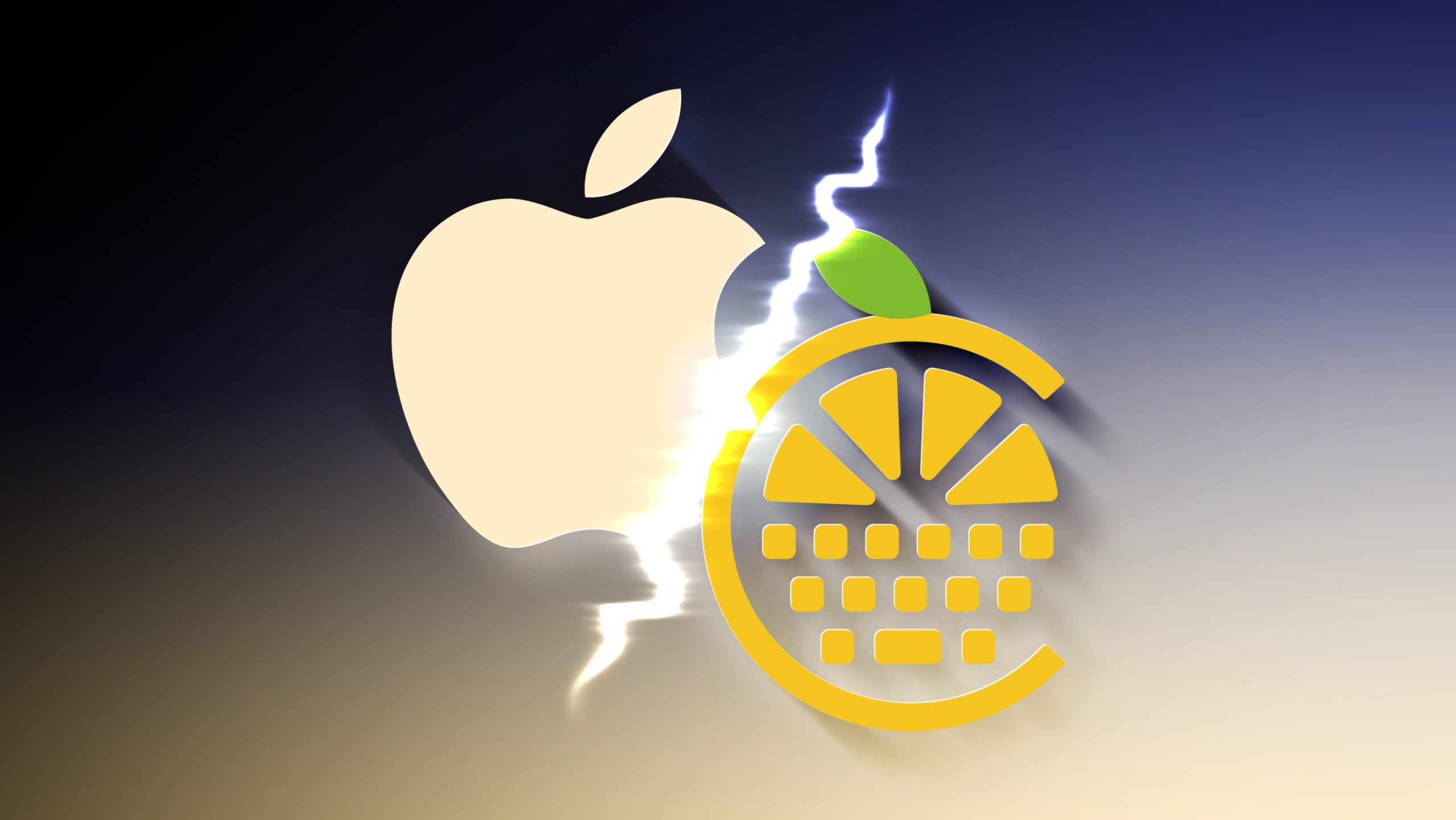
Apple objected to a European Union trademark application filed by Yichun Qinningmeng Electronics Co., a Chinese company that manufactures mechanical keyboards and keycaps. The company's proposed logo featured a round citrus fruit with keyboard-like segments at the bottom, a green leaf angled to the left, and a missing section on the right side. Apple claimed this design too closely resembled its own famous apple logo, complete with a detached leaf and a bite mark. The EU Intellectual Property Office (EUIPO) ultimately sided with Apple, not because the logos looked alike, but because Apple's immense reputation could lead consumers to mentally link the two signs, giving the keyboard maker an unfair advantage.
What did the keyboard maker's logo actually look like?
The contested logo from Yichun Qinningmeng Electronics depicted a highly stylized round fruit. The bottom portion of the fruit was segmented, resembling the keys of a keyboard, while the top featured a green leaf angled left. A missing section on the right side created a shape reminiscent of a bite. The company's name translates to a citrus fruit, which likely inspired the design. The EUIPO noted that the overall shape was perfectly round, unlike an apple, and that the triangular and rectangular elements in the lower part evoked keyboard keys. Despite these details, Apple argued that the average consumer might still associate the design with an apple due to the leaf and missing section.
Why didn't the EUIPO find the two logos visually similar?
The EUIPO's Opposition Division conducted a detailed comparison. It stated that apples are not perfectly round, whereas the keyboard maker's logo was essentially a circle. The perfectly round shape made it more akin to an orange or other round fruits. The leaf, while detached, was generic in shape. Additionally, the missing segment on the right was not a typical apple bite – it was more angular and part of a stylized design. The EUIPO acknowledged some minor commonalities, such as the presence of a leaf and a missing section, but overall found the signs visually similar to a very low degree and concluded they were not conceptually similar. In other words, no reasonable person would mistake the citrus fruit for an apple.
If the logos weren't similar, why did Apple win the case?
Despite the lack of visual or conceptual similarity, the EUIPO ruled in Apple's favor based on the strength of Apple's reputation within the European Union. Under EU trademark law, a sign that is not identical or confusingly similar can still be denied registration if it would take unfair advantage of, or cause detriment to, the distinctive character or repute of an earlier mark. Apple argued that the citrus logo would create a mental link in consumers' minds, allowing the keyboard maker to benefit from Apple's goodwill. The EUIPO agreed, citing Apple's immense reputation and the potential for consumers to establish such a link. This outcome shows that reputation alone can tip the scale even when the marks are not highly similar.
What does this ruling mean for other companies filing trademarks?
This case serves as a cautionary tale for businesses seeking to register logos that might evoke famous brands, even if the designs are distinct. For companies like Apple with a global reputation, trademark protection extends beyond direct imitation to include any sign that could create a mental association. For smaller companies, the key takeaway is to conduct thorough clearance searches and consider not only visual similarity but also the potential for reputational linkage. The EUIPO's decision reinforces that trademark law protects not just against confusion but also against free-riding on the reputation of well-known marks.
Will the keyboard maker have to change its logo?
The EUIPO partially refused the trademark registration, meaning Yichun Qinningmeng Electronics cannot register the contested citrus logo as an EU trade mark. While the company could still use the design in commerce (trademark registration is not mandatory), it now faces legal risks if Apple pursues further action. The keyboard maker may choose to modify the logo – perhaps by altering the leaf shape or removing the missing segment – to avoid future disputes. This outcome underscores the importance of designing logos that are not only distinctive but also avoid any resemblance to powerful existing marks.
How does Apple's reputation factor into EU trademark law?
EU trademark law provides enhanced protection for marks with a reputation, meaning they are known to a significant part of the public. Under Article 8(5) of the EU Trademark Regulation, the owner of a reputed mark can oppose a later application if use of the later mark would take unfair advantage of, or be detrimental to, the distinctive character or repute of the earlier mark. In this case, Apple successfully argued that its logo is one of the most recognized in the world, and even a low degree of similarity could lead consumers to mentally connect the citrus logo with Apple. The EUIPO agreed, emphasizing that the potential for a mental link is enough to sustain an opposition when the earlier mark has a strong reputation.
Related Articles
- Ex-Tesla CFO Deepak Ahuja Joins Redwood Materials Amid Restructuring
- Berlin Commits €1 Billion to Fast-Track Electric Truck Charging Network Across Germany
- 10 Reasons Rivian’s Timing in the EV Race Couldn’t Be Better
- How to Secure the New Volkswagen ID. Polo: A Step-by-Step Guide to Ordering and Saving
- From Sea of Nodes to Turboshaft: How V8 Reengineered Its Compiler IR
- Embracing AI in Flutter: A Step-by-Step Guide for 2026
- Flutter Core Team Announces Global Tour 2026: Key Events, New Releases, and Developer Engagement
- Nordic Nations Set New April Record for Electric Vehicle Sales