Lithium Batteries Failing to Meet AI Data Centers' Unique Power Demands, Expert Warns
Breaking News: Lithium Batteries Declared Unfit for AI Data Center Storage
The biggest bottleneck for AI data center expansion is not electricity generation—it's energy storage, and the specific way these facilities draw power makes lithium-ion batteries unsuitable, a leading expert has warned.
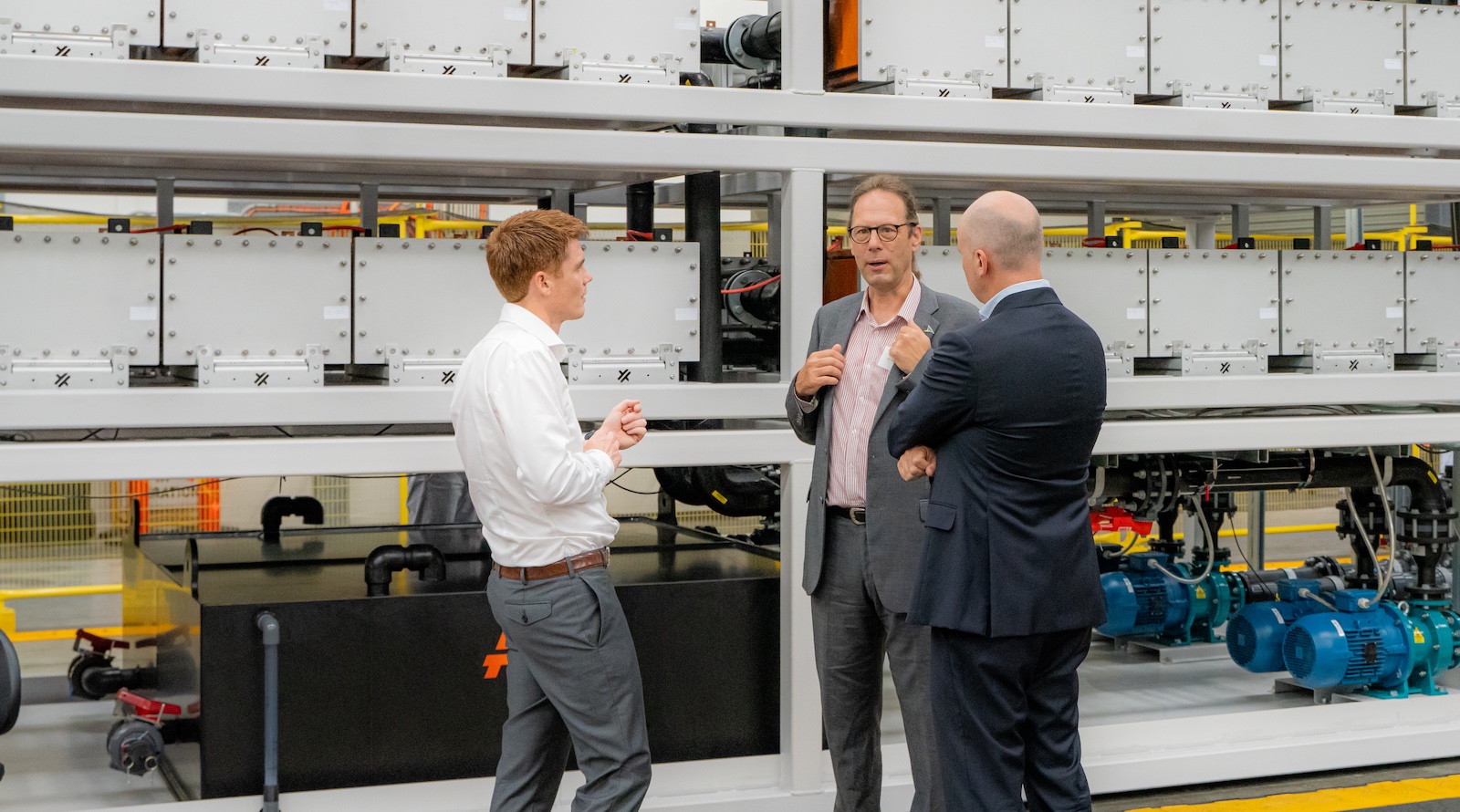
Dr. Thomas Nann, CEO and co-founder of Allegro Energy, stated that the grid challenge for AI-driven data centers goes far beyond sheer capacity. “It's about the dynamic, intermittent bursts of power these centers require,” he said in an exclusive interview. “Lithium batteries degrade rapidly under such pulsed loads, making them a poor fit.”
Nann emphasized that current lithium technology cannot handle the sudden spikes in demand that AI workloads impose. “We see charge-discharge cycles that are far more frequent and shallow than what lithium was designed for. This leads to premature capacity loss and higher costs,” he added.
Background: The AI Power Profile Problem
Traditional data centers draw relatively constant power. AI data centers, however, experience sharp power surges when training or inferring, followed by near-idle periods. This pattern stresses lithium batteries, which perform best with steady, deep cycles.
Major tech companies are racing to deploy battery storage to stabilize the grid and support renewable integration. But the industry is discovering that the chemistry that powers electric vehicles and consumer electronics fails in this new context.
Analysts at BloombergNEF estimate that data center battery installations could reach 50 GWh by 2030. However, without a suitable battery chemistry, those investments may yield short-lived assets.
What This Means: A Call for Alternatives
Dr. Nann argued that the industry must urgently pivot to alternative storage technologies. “Flow batteries, zinc-based systems, or even novel aqueous chemistries are better suited to handle the pulse power demands of AI,” he said.
The warning carries significant weight as AI adoption accelerates. Global data center electricity consumption is projected to double by 2026, according to the International Energy Agency. Without fit-for-purpose storage, grid constraints could slow AI deployment.
Investors and utility companies are now reassessing battery procurement strategies. Some are evaluating iron-air batteries or long-duration storage as potential replacements. “Lithium will have a role, but not in the core storage of AI data centers,” Nann clarified.
Industry Reactions and Next Steps
Utilities have begun piloting non-lithium storage solutions at several hyperscale sites. Google and Microsoft have both expressed interest in alternative chemistries for their new facilities.
Regulators may also take note. If lithium batteries fail prematurely, it could create waste and reliability issues, potentially triggering environmental concerns and stricter standards.
“We need to redirect innovation dollars now,” Dr. Nann concluded. “Otherwise, the AI revolution will hit a power wall that lithium alone cannot solve.”
Related Articles
- Sardinia's Renewable Energy Revolt: 210,000 Signatures Force 18-Month Ban
- How to Oppose an EU Trademark Application: Lessons from Apple's Citrus Logo Dispute
- Flutter Core Team Announces Global Tour for 2026 – Key Events and Developer Engagement
- Go 1.25 Debuts Experimental Green Tea Garbage Collector: Up to 40% Less GC Overhead
- 10 Key Insights into Chery’s Brand Portfolio and Its Canadian Potential
- Navigating the New Wind Energy Landscape: A Guide to Understanding the 165-Project Freeze
- How to Evaluate the SECURE Data Act: Understanding Its Weaknesses and Impact on Consumer Privacy
- BYD's Highly Anticipated Electric SUV Faces Production Hurdles Amid Record Demand