iPhone 17 Demand Drives Apple to Record Q1 Smartphone Revenue, Counterpoint Report Reveals
Apple Captures Nearly Half of Global Smartphone Revenue in Q1 2026
A new preliminary report from Counterpoint Research reveals that Apple secured an unprecedented share of the smartphone market’s financial pie during the first quarter of 2026. The iPhone maker generated nearly half—approximately 49%—of all global smartphone revenue in the January-to-March period, a historic achievement that underscores the company’s dominance in premium devices.
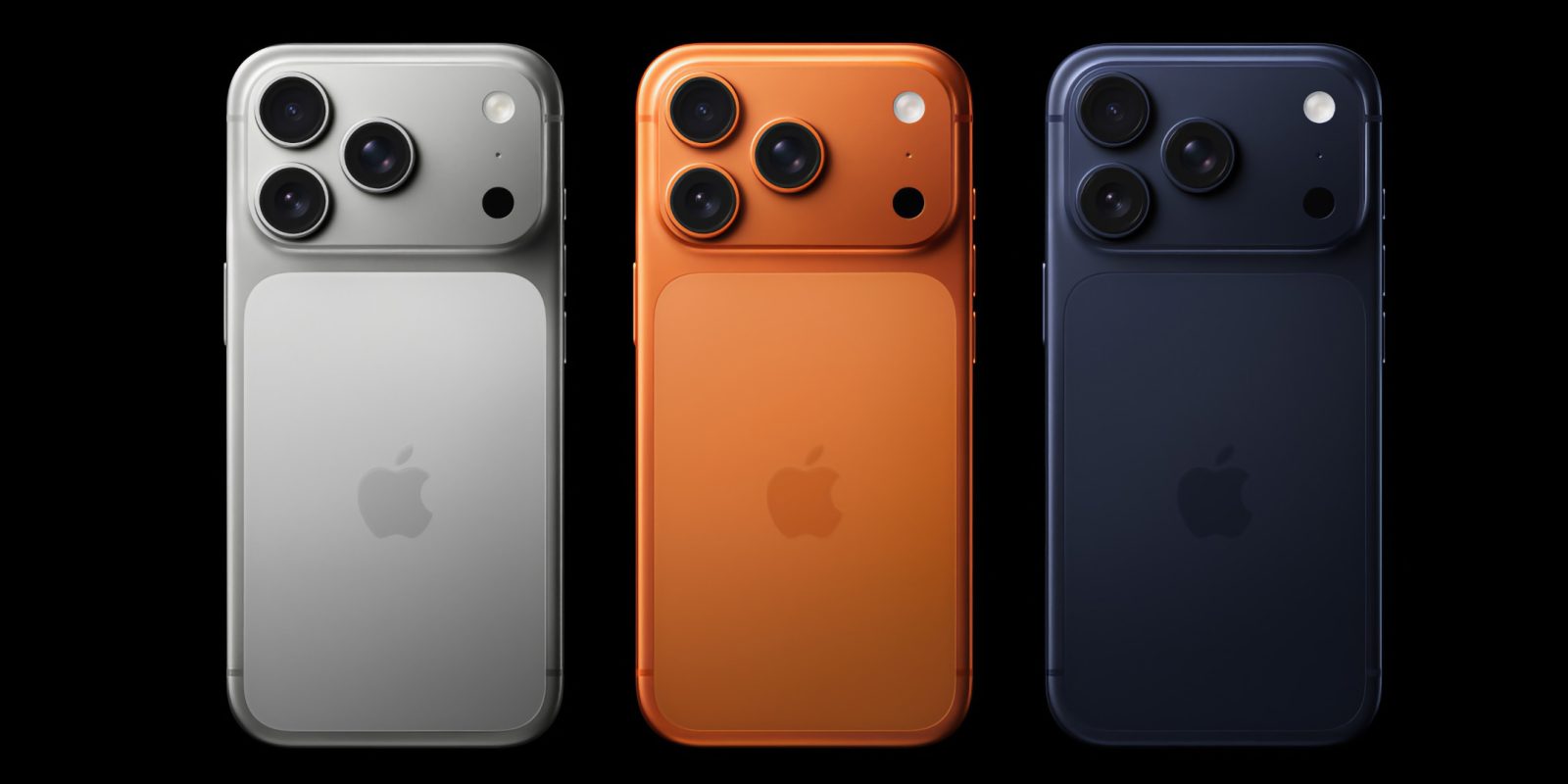
This revenue milestone comes alongside another record: Apple’s average selling price (ASP) for iPhones in Q1 2026 reached an all-time high for the quarter. The ASP jump reflects strong consumer appetite for the latest iPhone 17 series, particularly its high-end Pro and Pro Max models, which command significantly higher price tags than previous generations.
The Counterpoint data, though preliminary, signals a clear shift in market dynamics. While overall smartphone shipments have plateaued or declined in many regions, Apple has managed to grow its revenue share by convincing more buyers to opt for its premium offerings. This strategy of “value over volume” has proven especially effective in mature markets like North America, Europe, and parts of Asia.
Record Average Selling Price Highlights Premium Strategy
Apple’s Q1 2026 ASP crossed the $1,000 threshold for the first time in a first quarter, according to Counterpoint. The previous record was set in Q1 2024 at $925, meaning the company has added more than $75 to its average price point in just two years.
Several factors contributed to this rise:
- iPhone 17 Pro and Pro Max popularity: These models accounted for over 60% of Apple’s iPhone sales in Q1 2026, up from 55% for the iPhone 16 Pro lineup during the same period a year earlier.
- Higher storage tiers: Apple’s decision to increase the base storage on Pro models to 256GB—and offer up to 2TB—encouraged customers to spend more.
- Trade-in programs and carrier subsidies: While these reduce upfront costs, they also lock users into higher-priced plans, boosting overall revenue per device.
The rising ASP is a double-edged sword: it boosts Apple’s profitability but could eventually limit market expansion if prices alienate budget-conscious buyers. So far, however, demand for the iPhone 17 lineup shows no signs of slowing.
iPhone 17: Key Driver of Apple’s Q1 Success
The iPhone 17 series launched in September 2025 and has been a major catalyst for Apple’s revenue surge. The iPhone 17, 17 Pro, and 17 Pro Max introduced several features that resonated with consumers:
- Advanced camera system: A periscope zoom lens on the Pro models offered 10x optical zoom, a first for Apple.
- New A19 Bionic chip: Built on a 3-nanometer process, it delivered a 25% performance boost over the A18.
- Longer battery life: Improved efficiency gave users up to 30 hours of video playback on the Pro Max.
- Design refresh: A titanium frame and thinner bezels made the devices lighter and more visually appealing.
These upgrades encouraged a wave of upgrades from users of the iPhone 14 and 15 series, many of whom had skipped the iPhone 16 due to incremental changes. The iPhone 17 Pro Max, in particular, saw double the sales of its predecessor in the first quarter.
Counterpoint’s analysts note that Apple’s ability to sustain high demand for a product that launched six months earlier is rare in the smartphone industry. Typically, sales peak in the first two months and then decline sharply. Apple bucked that trend by maintaining strong momentum through Q1 2026, aided by aggressive marketing and seasonal promotions in China and India.

Market Implications and Competitive Landscape
Apple’s revenue dominance comes at the expense of rivals. The combined revenue share of Samsung, Xiaomi, OPPO, and vivo fell to a record low in Q1 2026, as per Counterpoint. Samsung’s Galaxy S25 series, launched in late January, failed to capture the same premium excitement as the iPhone 17, partly due to weaker demand for its foldable models.
However, the report also highlights a growing challenge: regulatory pressure in the European Union and emerging markets could impact Apple’s pricing flexibility. The EU’s Digital Markets Act, for instance, may force Apple to allow third-party app stores, potentially reducing its service revenue—but not directly affecting hardware sales.
Another trend is the rise of premium Android devices from brands like Google (Pixel 11) and OnePlus (12 Pro), which have improved their camera and AI capabilities. Yet, Apple’s ecosystem lock-in continues to be a powerful moat: iCloud, Apple Music, and seamless integration with Macs and iPads keep users loyal even when alternatives offer similar hardware.
What This Means for Apple’s Future
If the Q1 2026 performance is any indication, Apple is well-positioned to maintain its revenue leadership in the smartphone market. The company’s focus on the premium segment shields it from the price wars that plague the midrange and budget tiers. Additionally, the iPhone 17 cycle appears to have lengthened the upgrade cadence for high-end users, who now replace devices every three years instead of two—but spend more when they do.
Counterpoint’s preliminary report will be followed by a full Q1 2026 market analysis in May. Investors and industry watchers will be keen to see if Apple can repeat this feat in Q2, when sales typically dip before the next iPhone launch. If the iPhone 17 demand holds, Apple could be on track for its most profitable year ever.
For now, the numbers speak for themselves: record revenue, record ASP, and an unshakeable grip on the smartphone industry’s profits. As the report concludes, “Apple has achieved a new benchmark in premium smartphone revenue generation.”
Note: Internal anchor links: Jump to revenue section | Jump to ASP section | Jump to iPhone 17 section | Jump to market implications | Jump to future outlook
Related Articles
- Rust Lifetime Rules Simplified: New Guidelines for Method Definitions Emerge
- Crackdown on €50M Crypto Scam: Austrian, Albanian Police Arrest Key Suspects
- Navigating Post-Quantum Cryptography: Meta's Blueprint for a Secure Future
- ZIGChain Summit 2026: Uniting the Ecosystem for the Future of Regulated Onchain Finance
- From Digital Hopes to Real Power: The Evolution of Digital Rights in the Arab World
- Why Microsoft Open-Sourced Its Azure Integrated HSM: 7 Things You Need to Know
- TrumpIRA.gov Launch Set for 2027: New Retirement Option for Uncovered Workers
- Hedge Fund Ditches Webull Stake Entirely, SEC Filing Shows