iPhone 17 Defies Market Downturn: Apple Gains Share as US Smartphone Sales Plummet
Apple's iPhone 17 continued to drive market share gains in the United States during the first quarter of 2026, even as overall smartphone sales contracted sharply, new data reveals.
US iPhone sales volume rose 1.3% year over year in Q1 2026, according to Counterpoint Research's US Monthly Smartphone Channel Share Tracker. In contrast, the broader US smartphone market declined 5.7% during the same period, while Android smartphone sales plunged 14.4% year over year.
Apple gained share across all three major carriers—AT&T, T-Mobile, and Verizon—during the quarter. Verizon showed the largest shift, with Apple reaching a 77% share of smartphone sales in Q1 2026.
"The iPhone 17 base model saw stronger-than-expected demand through the first quarter, extending the product cycle well beyond the typical holiday surge," said Jeff Fieldhack, Research Director at Counterpoint. "This, combined with supply constraints that limited availability in late 2025, created a tailwind for Apple into early 2026."
Supply constraints during the 2025 holiday quarter continued to limit iPhone availability into early 2026, pushing unmet demand into the first calendar quarter. Counterpoint noted that the iPhone 17 lineup benefited from delayed competition as Samsung's Galaxy S26 launch was pushed back, giving Apple an extended window of market strength.
Background
The US smartphone market has faced headwinds from economic uncertainty, rising interest rates, and longer replacement cycles. Consumers are holding onto devices longer, pressuring overall sales volumes.
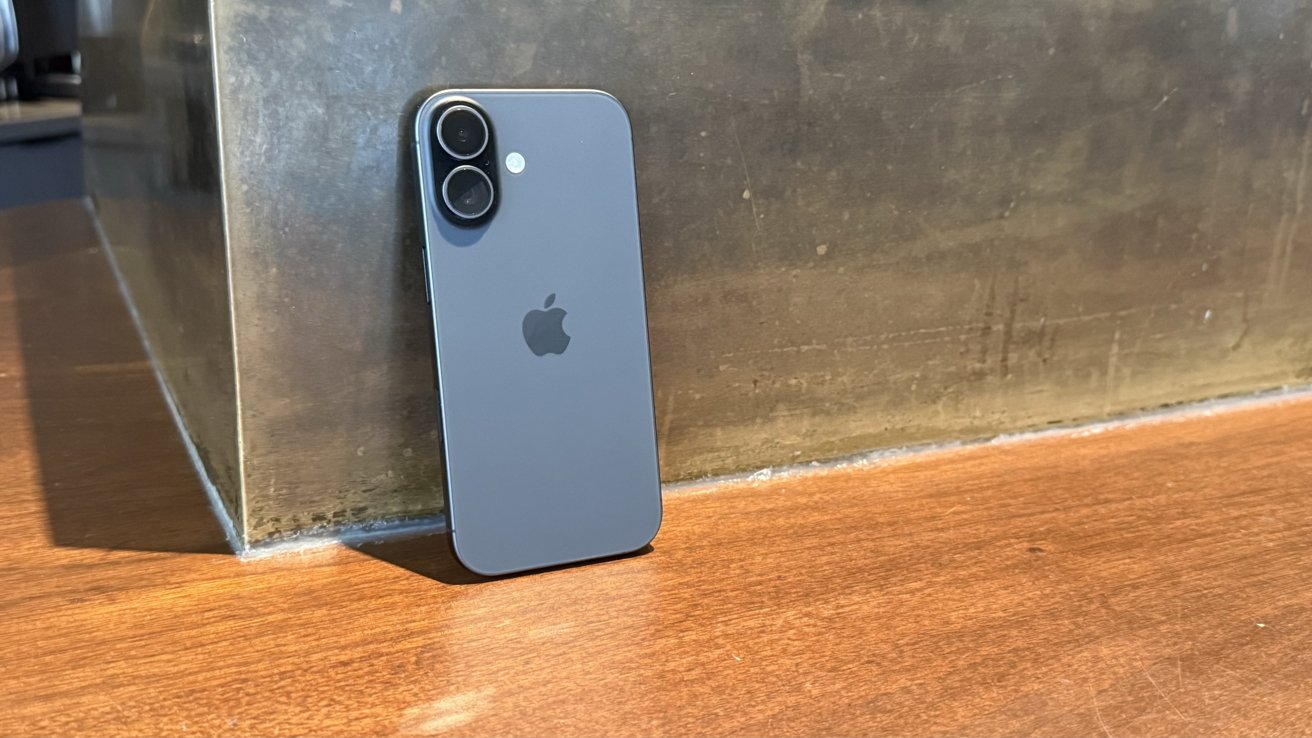
Apple's resilience stems from its ecosystem lock-in and brand loyalty. The iPhone 17, launched in September 2025, introduced incremental hardware upgrades and AI-driven software features that appealed to both upgraders and switchers from Android.

Samsung's Galaxy S26, initially expected in February 2026, was delayed to late March, further opening the door for Apple. The base iPhone 17 also benefited from aggressive carrier promotions during the quarter.
What This Means
Apple's continued share gains underscore its dominance in the premium tier and its ability to weather a contracting market. For competitors, the data signals that differentiation—especially in AI and camera technology—remains critical to winning back customers.
"The US market is now a two-horse race, but Apple is pulling away," added Fieldhack. "Android brands need to deliver a compelling reason to switch, and the delayed S26 launch didn't help."
Looking ahead, Apple's momentum may persist into the second quarter as pent-up demand from the supply crunch continues to clear. However, analysts caution that the broader market decline could eventually affect Apple if economic conditions worsen.
Read more: Background on market trends | What this means for consumers
Key takeaway: Apple's iPhone 17 is bucking the trend in a shrinking US smartphone market, driven by supply dynamics, delayed rival launches, and strong carrier support.
Related Articles
- How TelemetryDeck Leverages Swift for High-Performance Analytics
- iOS 26: The Year After – Why the Real Story Isn't Liquid Glass but AI's Quiet Revolution
- Old Galaxy S22 Camera Still Outshines iPhone in 4 Key Areas, Expert Analysis Reveals
- Samsung Voice Recorder Bug: Questions and Answers About the Crash and Fix
- Building VR Apps with React Native on Meta Quest: A Developer's Guide
- Aurzen Roku TV Smart Projector Deal: Your Top Questions Answered
- How to Add a Desktop-Style Taskbar to Any Android Phone in Minutes
- React Native 0.84: 8 Major Updates That Transform Your Development Experience