Sega Abandons 'Super Game' Live Service, Shifts Focus to Traditional Premium Titles Amid Industry Correction
Sega Pulls Plug on Ambitious Live Service 'Super Game'
TOKYO, Japan — Sega has canceled its highly anticipated live service project known as the "Super Game," a five-year initiative that was set to launch by March 2026. The company confirmed the decision in a statement to Game File, citing "intensifying market competition" and disappointing performance of its free-to-play title Sonic Rumble Party as key factors.
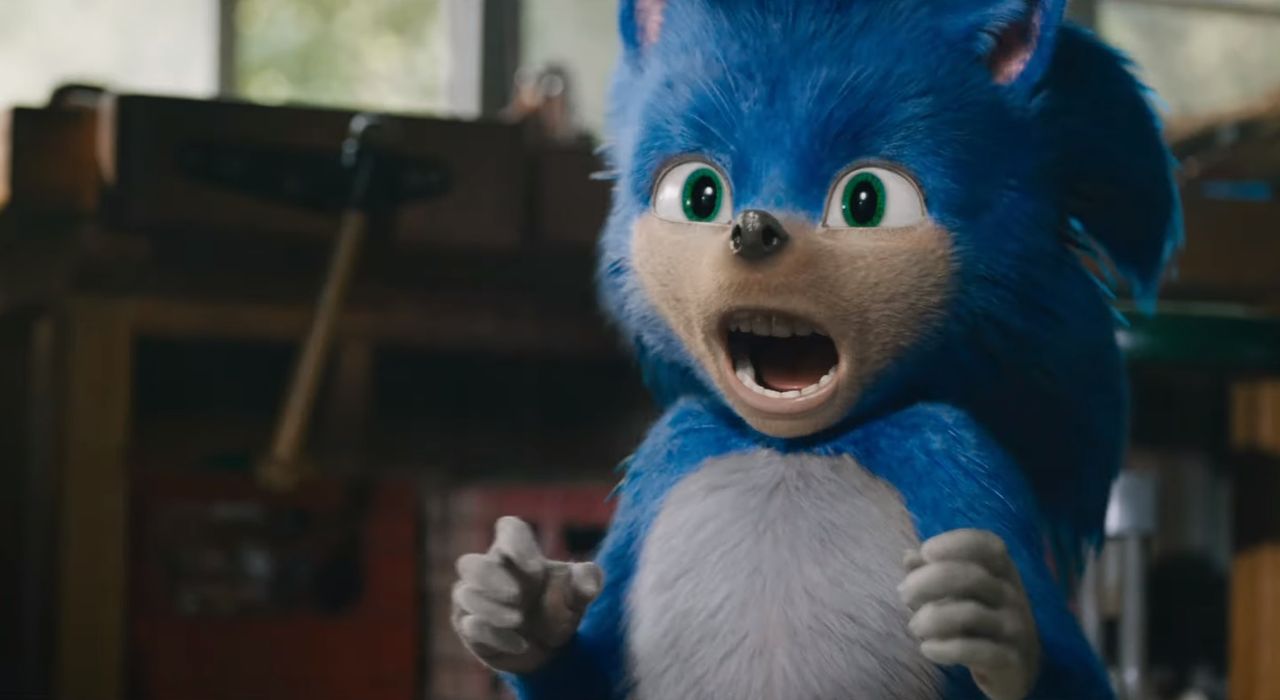
The cancellation marks a strategic pivot away from free-to-play (F2P) models. Sega has already transferred approximately 100 developers from the Super Game project to work on traditional "Full Game" development — premium titles that consumers buy upfront and own outright.
Quotes from Sega Leadership
"Our goal was to create a new form of entertainment that goes beyond the concepts of conventional games," a Sega spokesperson told Game File. "Given the ambitious nature of the project, we adopted a long-term R&D phase for technical validation and related activities." The spokesperson added that the company is now "lowering the priority of F2P" in its future plans.
Industry analysts view this as a broader correction. "Sega's move is a clear signal that the live service gold rush is over," said Dr. Mei Ling, a gaming market expert at Tokyo Game Institute. "When a legacy publisher like Sega walks away from a five-year investment, it shows that even deep pockets can't guarantee success against entrenched giants."
Background: The Rise and Fall of Live Service Ambitions
In 2021, Sega's annual report touted the Super Game as a "priority strategy" that would "stand head and shoulders above normal games." The plan was to create a global blockbuster that would generate recurring revenue through microtransactions and seasonal content. But the market has grown increasingly hostile to such models.
A 2025 industry survey revealed that one out of three triple-A developers is currently working on a live service game. That saturation has led to a graveyard of failed projects. Sega's cancellation joins a growing list:
- Concord — shut down, studio shuttered
- Highguard — shut down, studio shuttered
- Spectre Divide — shut down, studio shuttered
- 2K's Project Ethos — sent back to drawing board
- Ubisoft's Project Q — canceled
- Sony — planned 12 live service games in 2022; seven canceled
- Microsoft — canceled Blizzard survival game and an unnamed MMO
Even established live service titans show how hard it is to break in: World of Warcraft (22 years old), League of Legends (17), Minecraft (15), Grand Theft Auto 5 (13), Fortnite and Destiny 2 (9), and Apex Legends (8) continue to dominate player attention. "Every new live service game must compete not just with its release-year rivals but with decades of entrenched loyalty," noted Ling.
What This Means: An Industry Correction Underway
Sega's retreat — moving 100 developers back to premium game development — may be the most visible sign yet that the live service bubble is deflating. For every Helldivers or Arc Raiders that succeeds, dozens of projects fail after burning hundreds of millions of dollars.
The shift suggests publishers are re-evaluating the risk-reward balance. "Sega is essentially admitting that chasing whales with F2P mechanics is less sustainable than making high-quality games people buy," said Ling. "This could lead to a healthier industry where innovation in single-player and multiplayer experiences takes precedence over monetization gimmicks."
However, the correction is not painless. Developers who spent years on live service skills may face a tough job market, and investors may become wary of any project labeled "live service." Sega's decision, while rational, underscores the volatility of chasing trends.
Looking Ahead
Sega has not announced what the Super Game team will work on next, but the company has a strong portfolio of full-game franchises — including Sonic, Yakuza, and Persona — that could benefit from fresh talent. The gaming world will watch closely to see if other publishers follow suit.
This is a developing story. Check back for updates.
Related Articles
- Elevate Your Game: The ESP32 Split-Flap Chess Board Revolution
- Your Ultimate Playbook for Scoring Big at Best Buy’s Memorial Day Gaming Sale
- Matt Ryan Reveals He Was Duped Into Believing Assassin's Creed 4 Audition Was for Pirate TV Series
- Samsung Galaxy Tab S11 and More Hit Record Lows as Price Hikes Loom – Up to $573 Off
- 5 Essential Insights into the Horizon Hunters Gathering Second Playtest
- PS5 Transformed into Linux Gaming Powerhouse: Full Desktop Linux Now Runs on Sony Console
- How EVE Online's Complex Universe Is Shaping the Future of Artificial Intelligence
- Beyond Video: 3 Surprising HDMI Functions You Didn't Know Existed