Canceled Too Soon: Understanding Why Great TV Shows Don't Survive and Where to Find Them
Nothing stings quite like falling in love with a TV series, binge-watching episodes into the wee hours, and then discovering the network has yanked the plug. In today's streaming landscape, even critical acclaim and a devoted fanbase can't guarantee a show's future. Massive production budgets, shifting viewer habits, and corporate mergers often lead to premature cancelations. This Q&A dives into the reasons behind these abrupt endings and offers tips on where to catch your favorite canceled shows.
Why do beloved shows with high ratings still get canceled?
Fans often assume that a show's popularity and positive critical reception will keep it alive, but networks and streaming services weigh many factors. The most common culprit is production costs. A show might have stellar Rotten Tomatoes scores and a vocal fanbase, yet if its budget (for elaborate sets, A-list cast salaries, or visual effects) outstrips its revenue from subscriptions or advertising, executives will hesitate to renew it. Additionally, viewership numbers matter, but not always in absolute terms. A show can have millions of viewers yet be canceled if those numbers decline over seasons or if the platform prioritizes shows that attract new subscribers instead of retaining existing ones. Corporate takeovers and restructuring (like the Warner Bros. Discovery merger) have also led to sudden tax-write-off cancelations to clear content libraries.
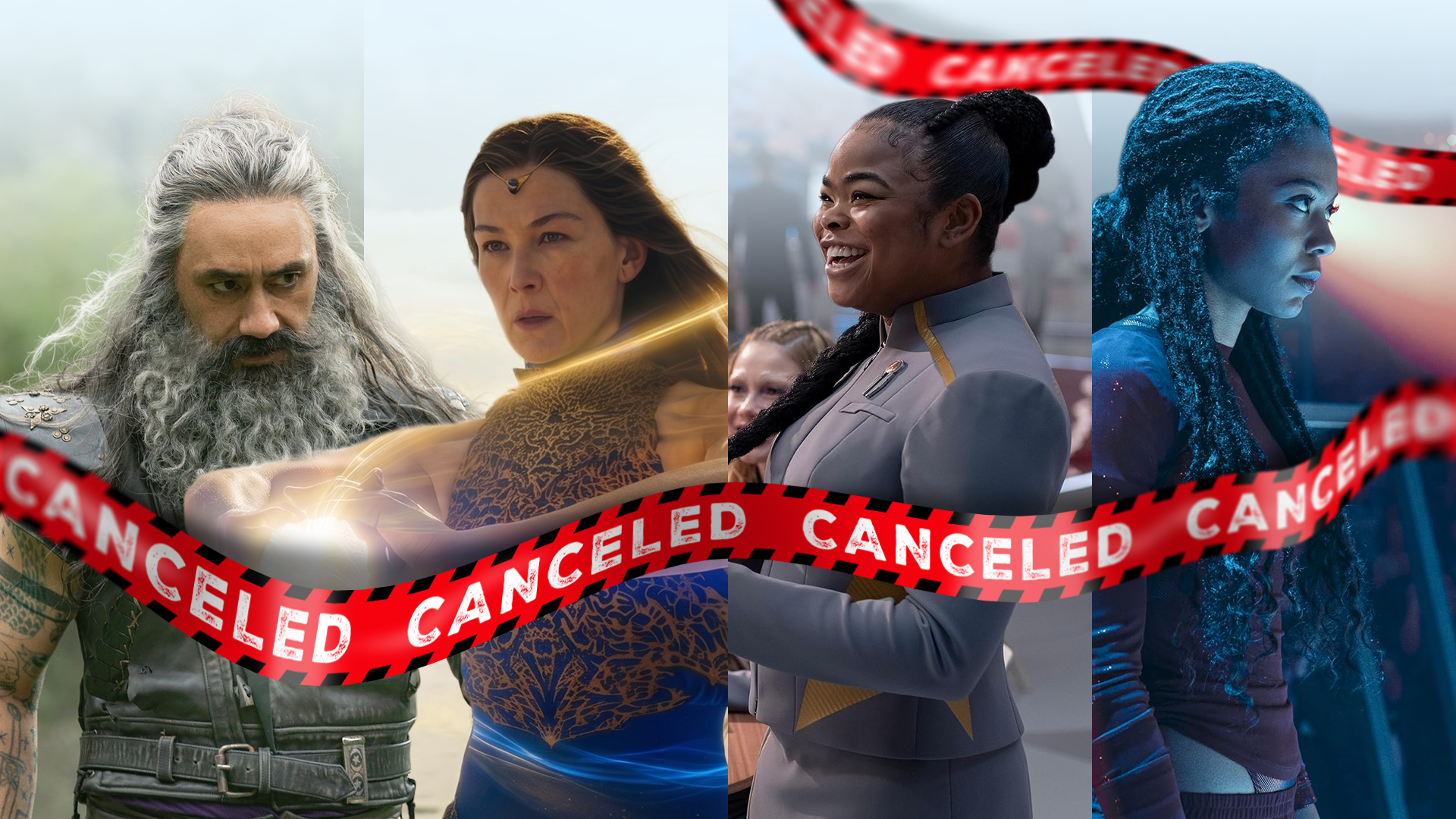
How do huge production budgets lead to cancelations?
Exorbitant production budgets are one of the most common reasons for cancelation. Streaming services often greenlight expensive shows with high hopes, but if the series doesn't deliver proportional subscriber growth or engagement, the cost becomes unsustainable. For example, a sci-fi series requiring expensive CGI and location shoots might cost $10 million per episode. To be profitable, that show would need a massive audience — larger, perhaps, than the niche it serves. Even when critical reception is glowing, the network may decide the financial risk outweighs the artistic value. This is especially common on streaming services like Netflix, where shows are often viewed as assets that must prove their value quickly. If a show's budget doesn't match its subscriber acquisition or retention metrics, it's vulnerable to cancelation, no matter how beloved it is.
What role do corporate takeovers play in canceling shows?
Corporate takeovers have become a significant threat to series longevity in the streaming age. When a large company acquires a studio or a streaming platform, it often reassesses the content portfolio with an eye on cost-cutting and tax benefits. Mergers like the AT&T–WarnerMedia and Discovery–Warner Bros. ones have led to many shows being removed or canceled, sometimes as part of a strategy to take tax write-offs. The new parent company may decide that a critically acclaimed show doesn't fit its streamlined strategy or audience demographic, leading to abrupt cancellations. Furthermore, executives from the acquiring company may have no emotional investment in pre-existing series, making it easier to pull the plug. This phenomenon has shocked fans of shows like Westworld and Minx, which were canceled soon after mergers despite having strong followings.
Where can viewers still watch canceled shows?
Even after cancelation, many shows remain available on the platforms where they originally aired or through new deals. For example, Netflix keeps most of its original content — including canceled series — available for streaming indefinitely. Similarly, Hulu, Amazon Prime Video, and Apple TV+ often retain canceled shows in their libraries. Some shows get a second life when picked up by another service: The OA and Sense8 were saved from cancellation by fan campaigns, though not always successfully. Physical media (DVD/Blu-ray) and digital purchase platforms (Amazon Video, Vudu) are also reliable ways to rewatch loved series. Additionally, many canceled shows can be found on free ad-supported services like Tubi or Pluto TV. A quick search on JustWatch.com can help you locate exactly where a specific series is currently streaming.
Can fan campaigns actually save a canceled show?
Fan campaigns can sometimes work, but success is rare and depends on timing and business circumstances. When audiences rally on social media, start petitions, or flood network executives with demands, they may catch the attention of other platforms. Notable successes include Brooklyn Nine-Nine (saved by NBC after Fox canceled it) and Lucifer (picked up by Netflix following fan outrage). However, these rescues usually require a show with strong global appeal and a profit-minded buyer. In the current climate, with streaming services tightening budgets, even loud fan campaigns may not be enough. The most effective campaigns frame the show's value in business terms — like potential subscriber growth or merchandise sales — rather than just emotional pleas. Networks and platforms are ultimately corporations, and passionate fandoms must prove a financial case to reverse a cancelation.
Are there any recent examples of shows canceled too soon?
Recent years have seen several high-profile cancelations that left fans heartbroken. Among the most discussed are Mindhunter (Netflix) — a critically acclaimed crime drama that went on indefinite hiatus after two seasons due to budget conflicts and the creator's busy schedule. The Expanse was originally canceled by Syfy but rescued by Amazon, though it ended after six seasons. GLOW was canceled by Netflix even after filming had begun for its fourth season due to pandemic complications and budget cuts. Warrior (Cinemax) was canceled after three seasons despite strong reviews and a growing fanbase, then partially revived as a film. These examples illustrate that even success stories like White Lotus (which was intended as an anthology) are exceptions — most series today face an uphill battle for renewal.
What metrics do streaming services use to decide cancelation?
Streaming services consider a complex mix of metrics, not just raw viewership. Key factors include completion rate (how many subscribers watch a show from start to finish within a certain period), cost per viewer (production budget divided by audience size), and subscriber acquisition (whether the show attracts new sign-ups). Services also analyze engagement — how often the show is talked about on social media, and whether it becomes a cultural phenomenon that keeps users on the platform. Additionally, genre saturation matters; two similar shows may compete for the same audience, and the cheaper or more efficient one survives. Finally, licensing cost for third-party content influences renewal decisions. A show that is expensive to produce and doesn't score high on these proprietary metrics is at risk, even if it has a devoted following and excellent critical reception.
Related Articles
- Bounce Rate vs Exit Rate in GA4: What Each Metric Really Tells You
- Secrets Management in Grafana Cloud k6: 7 Essential Insights for Secure Performance Testing
- Apple Crushes Q2 Expectations as Cook's Swan Song, But AI and Supply Risks Loom
- Fortifying Freight: A Practical Guide to Defending Against Cyber-Enabled Cargo Theft
- 5 Surprising Shifts in Mac mini Pricing You Should Know About
- 10 Key Insights on Digital Rights After the Arab Spring
- How to Defend Against the REMUS Infostealer: A Step-by-Step Guide to Session Theft Prevention and MaaS Countermeasures
- Bitcoin-Backed Mortgages Surge as Homeownership Crisis Deepens, Experts Say