Microsoft's Record-Breaking Patch Tuesday: 167 Flaws Fixed, Including Actively Exploited SharePoint and Defender Vulnerabilities
Breaking: Microsoft Releases Massive April 2026 Security Update
Microsoft today issued an unprecedented security update addressing 167 vulnerabilities across Windows and related software, marking the second-largest Patch Tuesday in company history. Among the fixes are an actively exploited zero-day in SharePoint Server and a publicly disclosed privilege escalation flaw in Windows Defender dubbed 'BlueHammer.'

Separately, Google Chrome patched its fourth zero-day of 2026, while Adobe released an emergency update for Reader to counter an actively exploited remote code execution vulnerability.
Critical SharePoint Zero-Day Under Active Attack
Microsoft warned that attackers are already targeting CVE-2026-32201, a SharePoint Server spoofing vulnerability that allows deception within trusted corporate environments. 'This CVE can enable phishing attacks, unauthorized data manipulation, or social engineering campaigns,' said Mike Walters, president of Action1.
'The presence of active exploitation significantly increases organizational risk,' Walters added. Enterprises relying on SharePoint for collaboration face immediate exposure.
BlueHammer: Windows Defender Bug Made Public
Microsoft also closed CVE-2026-33825 (BlueHammer), a privilege escalation flaw in Windows Defender. According to BleepingComputer, the researcher who discovered it published exploit code after frustration with Microsoft's response. Will Dormann of Tharros confirmed the public exploit no longer works after patching.
'Install these updates urgently,' Dormann emphasized. The vulnerability could have allowed attackers to gain elevated system access if left unpatched.
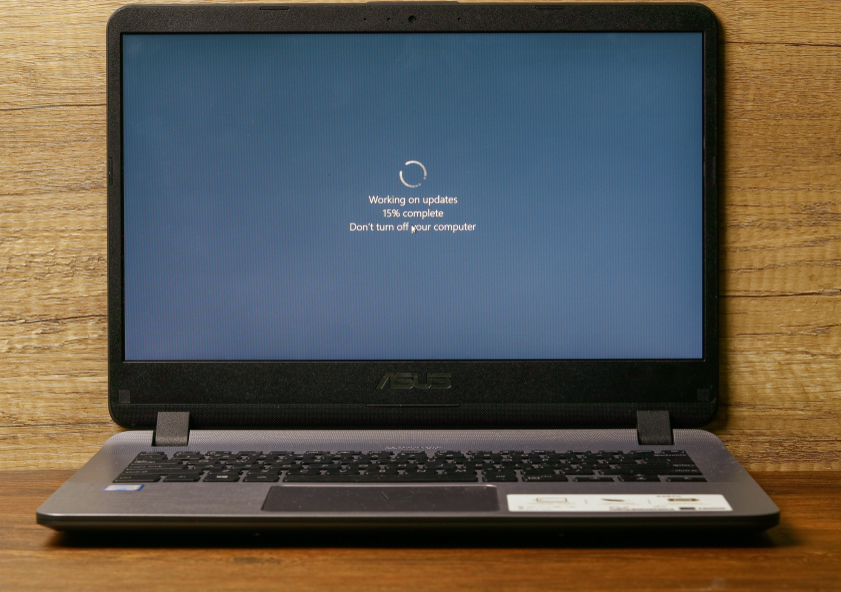
Adobe and Chrome Emergency Fixes
Satnam Narang of Tenable noted that Adobe's emergency update on April 11 (CVE-2026-34621) has been exploited since at least November 2025. Google Chrome's latest zero-day fix rounds out a busy month for browser security.
Background
April's Patch Tuesday total includes nearly 60 browser vulnerabilities, a record for Microsoft. Adam Barnett of Rapid7 attributed the spike partly to the buzz around Anthropic's unreleased AI tool 'Project Glasswing,' though he noted that many bugs stem from Chromium's open-source ecosystem.
'A safe conclusion is that this increase is driven by ever-expanding AI capabilities,' Barnett said. 'We should expect further increases in vulnerability reporting as AI models grow.'
What This Means
Organizations must prioritize these patches due to active exploitation of the SharePoint zero-day and BlueHammer. The sheer volume of fixes—167 total—demands a systematic approach to deployment, starting with critically rated vulnerabilities.
Users should restart browsers after applying updates, as browser-level fixes are only effective after a full restart. Combined with Chrome and Adobe patches, this is a pivotal moment for IT security teams.
Related Articles
- Critical Active Exploit in cPanel, Medtronic Data Breach Headline This Week’s Cyber Threats
- Securing Your Supply Chain: A Proactive Guide Inspired by the OpenAI TanStack Incident
- Black Duck and Docker Hardened Images Integration Cuts Container Security Noise by 80%, Experts Say
- From News to Action: A Cybersecurity Tutorial on Recent Threats and Best Practices
- Ransomware in 2026: 5 Critical Trends You Must Know
- BRICKSTORM Malware: Defending vSphere Environments
- Weekly Cybersecurity Roundup: Major Breaches, AI-Powered Threats, and Critical Patches (May 4)
- Exploit Kit Surge in First Quarter 2026 Targets Microsoft Office, Windows, and Linux Systems