The Silent Cholesterol Threat: Understanding Lp(a) and Your Heart Risk
Many people worry about their cholesterol levels, but there's a lesser-known type that could be silently increasing your risk of heart attack and stroke. This inherited form, called lipoprotein(a) or Lp(a), is often overlooked because it doesn't cause symptoms. Yet research shows that one in five people may have elevated Lp(a) without knowing it. Below, we answer the most common questions about Lp(a) and its hidden dangers.
What exactly is Lp(a) and why is it considered a hidden risk?
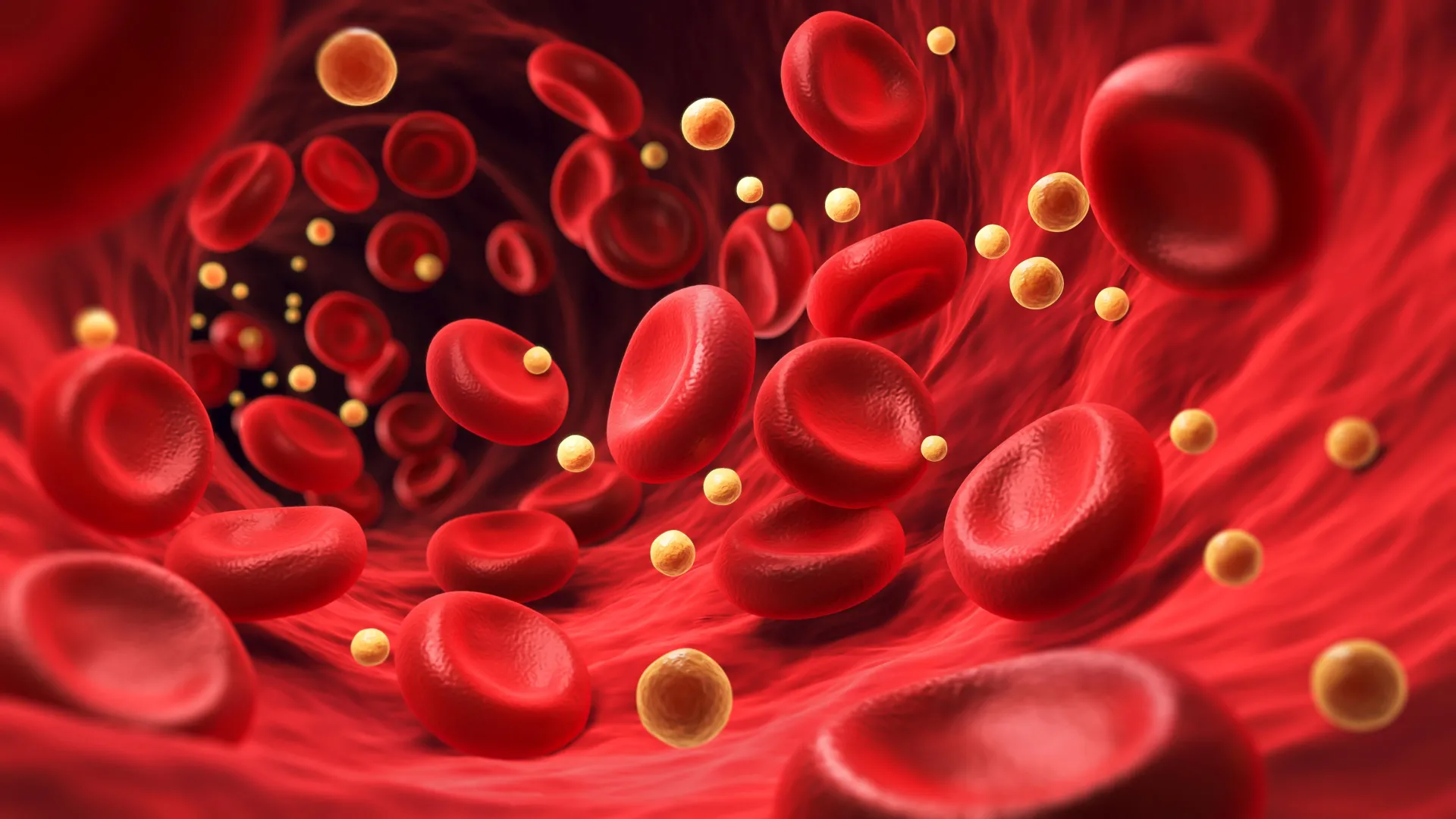
Lp(a) is a type of lipoprotein—a particle that carries cholesterol in the blood. Unlike regular LDL ("bad") cholesterol, Lp(a) levels are almost entirely determined by genetics and remain stable throughout life. It is known as a "hidden" risk factor because most individuals with elevated Lp(a) experience no symptoms or warning signs. A person could have dangerously high levels for decades without ever knowing, putting them at increased risk for serious cardiovascular events. Standard cholesterol tests typically do not measure Lp(a), so it often goes undetected unless specifically requested. This is why experts recommend a simple blood test for Lp(a) to uncover this silent threat.
How common is elevated Lp(a) and who is most at risk?
Studies indicate that approximately one in five people globally has Lp(a) levels considered high enough to increase cardiovascular risk. That means around 20% of the population may carry this hidden danger without awareness. Because Lp(a) is inherited, your risk is greater if you have a family history of early heart disease or stroke. Certain ethnic groups, such as those of African or South Asian descent, tend to have naturally higher average Lp(a) levels. Men and women are affected equally. Since Lp(a) is not influenced by diet or exercise, it can be present even in otherwise healthy, active individuals with normal blood pressure and cholesterol.
What specific health problems does high Lp(a) cause?
Research analyzing over 20,000 patients has shown that very high levels of Lp(a) dramatically increase the risk of several serious conditions. These include stroke, cardiovascular death, and major heart complications such as heart attack and aortic valve stenosis. Lp(a) contributes to the buildup of plaque in arteries, promotes inflammation, and can make existing plaquelike more unstable—raising the likelihood of rupture. People with elevated Lp(a) may also face a higher risk of blood clots. The danger escalates when Lp(a) is combined with other risk factors like high LDL cholesterol, smoking, or diabetes.
How can I find out if I have high Lp(a)?
A simple blood test is the only way to detect elevated Lp(a). Unlike routine lipid panels that measure total cholesterol, LDL, HDL, and triglycerides, the Lp(a) test specifically measures the concentration of this unique lipoprotein particle. The test is not part of standard screening, so you need to ask your doctor to include it. Usually no special preparation like fasting is required. Results are given in mg/dL or nmol/L, and levels above 50 mg/dL (or about 125 nmol/L) are considered high. Because Lp(a) levels are genetically determined and change very little over a lifetime, one test is typically sufficient.
Can lifestyle changes lower Lp(a) levels?
Unfortunately, lifestyle modifications such as diet, exercise, and weight loss have little to no effect on Lp(a) levels. This sets Lp(a) apart from other cholesterol types, which respond well to healthy habits. However, this does not mean lifestyle changes are pointless. Managing other risk factors becomes even more crucial for people with high Lp(a). By maintaining a heart-healthy diet, staying physically active, avoiding tobacco, and controlling blood pressure and diabetes, you can reduce your overall cardiovascular risk. So while you cannot directly lower Lp(a) through lifestyle, you can mitigate its harmful effects by keeping other factors in check.
Are there any treatments available for high Lp(a)?
Currently, there are no FDA-approved medications specifically designed to lower Lp(a). Traditional cholesterol-lowering drugs like statins have minimal impact on Lp(a) levels. However, emerging therapies show promise. Several clinical trials are evaluating drugs called antisense oligonucleotides and small interfering RNAs that can significantly reduce Lp(a) production by targeting the gene responsible. In the meantime, doctors may recommend aggressive management of other risk factors. For patients with very high Lp(a) and established heart disease, treatments like lipid apheresis (a filtering procedure similar to dialysis) can temporarily lower Lp(a), but this is reserved for extreme cases.
Why is early detection of high Lp(a) so important?
Early detection of elevated Lp(a) can be lifesaving. Many people with this hidden risk have no symptoms until they suffer a heart attack or stroke. Knowing your Lp(a) level empowers you and your doctor to take proactive steps. For example, you can intensify monitoring of blood pressure and cholesterol, adopt stricter lifestyle measures, and discuss the use of aspirin or other preventive medications. If you have a family history of premature cardiovascular disease, testing can identify at-risk relatives who might also benefit. As new specific treatments become available, early knowledge will allow you to access them sooner. A single blood test is a small step that could dramatically alter your health trajectory.
Related Articles
- The Brain Sway Method: How Gentle Abdominal Tension Activates Natural Waste Removal
- Isomorphic Labs: Alphabet’s $2 Billion AI Bet to Revolutionize Drug Discovery
- Closing the Care Gap: Why Recruiting More Men Into Nursing Is Essential
- Maximizing Your MacBook Battery: A Step-by-Step Guide to Debunking Myths and Boosting Longevity
- Unlock Healthier Aging: A Step-by-Step Guide to Using Daily Multivitamins
- The Healing Power of Honey: A Step-by-Step Guide to Using It as Medicine
- 10 Ways Scientists Are Revolutionizing Gum Disease Prevention – Without Killing Good Bacteria
- First Commercial Drug-Making Mission to Orbit: Varda Signs United Therapeutics