Myanmar's Proposed Life Sentences for Crypto Scammers: Key Questions Answered
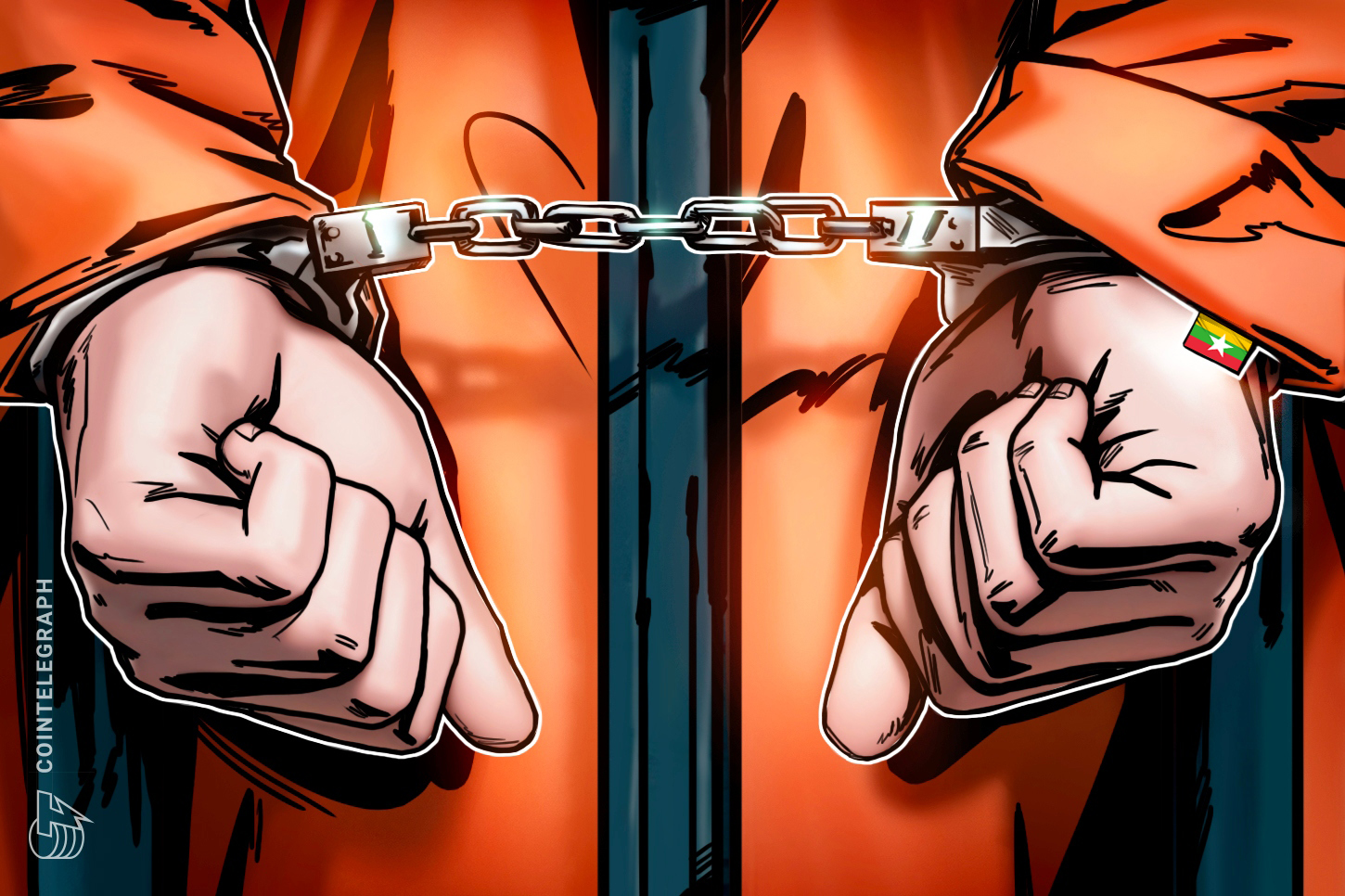
Myanmar's military government has introduced a tough new anti-online fraud bill that specifically targets digital currency scams. Under the proposed legislation, convicted crypto fraudsters could face penalties ranging from ten years to life in prison and, in extreme cases, the death penalty. Here’s a breakdown of the key details in a Q&A format.
1. What is Myanmar’s Anti-Online Fraud Bill?
The Anti-Online Fraud Bill is a proposed law by Myanmar’s military government aimed at combating online scams, especially those involving digital currencies. The bill defines “digital currency fraud” as a serious offense and establishes strict penalties. It targets activities like Ponzi schemes, fake investment platforms, and phishing attacks that use cryptocurrencies. The government views these scams as a threat to national security and economic stability, particularly after a surge in online fraud following the 2021 coup. The bill also sets up a central authority to investigate cases and freeze assets linked to scams.

2. What penalties does the bill propose for crypto scammers?
Under the bill, anyone convicted of digital currency fraud faces a prison sentence of 10 years to life. The draft explicitly states that life imprisonment is the maximum, but it also allows for the death penalty in the most severe cases, such as when fraud causes widespread financial ruin or loss of life. Fines and asset forfeiture are included as well. The harsh sentencing reflects the junta’s zero-tolerance approach to financial crimes, especially those using unregulated digital currencies. Legal experts note that Myanmar’s existing penal code already includes death for certain crimes, but its application to crypto fraud would be unprecedented.
3. Why is Myanmar specifically targeting crypto fraud?
Myanmar has seen a rapid increase in cryptocurrency scams, particularly after the military takeover in 2021. Many citizens, desperate amid economic collapse, have fallen victim to fraudulent investment schemes promising high returns in Bitcoin and other coins. Scammers often operate from neighboring countries like Thailand or Cambodia, using Myanmar’s weak regulatory oversight. The bill is part of the government’s broader crackdown on online gambling and illegal foreign exchange trading. Additionally, the junta wants to assert control over digital financial systems, which it sees as a challenge to its authority. By threatening life sentences, they aim to deter both local and cross-border scammers.
4. Could scammers actually face the death penalty?
Yes, the bill includes the death penalty as a possible punishment, though it would apply only to the most heinous cases. The draft law says life imprisonment is the standard sentence, but judges may impose capital punishment if fraud leads to death, severe harm, or destabilizes the economy. Myanmar already carries out executions for crimes like murder and drug trafficking, but this would be the first time a financial crime faces such a penalty. Human rights groups have criticized the move as excessive and a violation of due process. Historically, Myanmar’s military courts rarely impose death for non-violent offenses, but the bill leaves the door open.
5. How does this compare to crypto regulations in other countries?
Most nations treat crypto fraud as a financial crime with prison terms of 5–20 years, but few apply life sentences or the death penalty. For example:
- China bans all crypto transactions and punishes major fraud with up to life in prison, but not death.
- India has proposed jail terms of up to 10 years for crypto scams.
- United States imposes 20–30 years for large-scale fraud like the FTX case.
- Thailand recently increased penalties to 5–10 years for unlicensed crypto exchanges.
Myanmar’s approach is among the harshest globally, reflecting its military government’s desire to project authority. However, enforcement capacity remains weak, and the threat of execution may be more symbolic than practical.
6. What does this mean for ordinary crypto users in Myanmar?
The bill would make even small-scale peer-to-peer trading risky if it falls under the broad definition of “digital currency fraud.” Users could face investigation for simply exchanging crypto with friends or using it for online purchases. The law does not distinguish between scammers and regular investors, leading to concerns about over-criminalization. Many Burmese have turned to crypto to remit money or save against inflation, but this proposal could push the market underground. Exchanges are likely to shut down operations, and users may flee to decentralized or off-chain methods. The government’s goal is to control all digital financial flows, but the effect may be to drive activity into unregulated channels.
Related Articles
- Samsung's Smart Glasses on the Horizon: What to Expect at the Next Galaxy Unpacked
- Harnessing AI Agents to Amplify Procurement Expertise at Scale
- SEC Plans 'Innovation Exemption' to Legalize Tokenized Stock Trading on Blockchains
- Building Trust Through Open Hardware: A Guide to Microsoft’s Azure Integrated HSM Open-Source Initiative
- The Hidden Sustainability Thresholds: A Step-by-Step Guide to Optimizing Reusable Tea Cup Systems
- Apple Alerts EU: Opening Android to AI Rivals Poses ‘Urgent’ Privacy Risks
- This Week in Cybersecurity: Five Critical Threats and a Ransomware Twist
- How to Investigate Language Shift in AI Coding Assistants: A Step-by-Step Guide