Australia's Home Battery Revolution: 400,000 Installations and Counting
Household Energy Storage Reaches New Heights
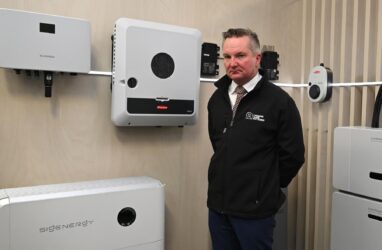
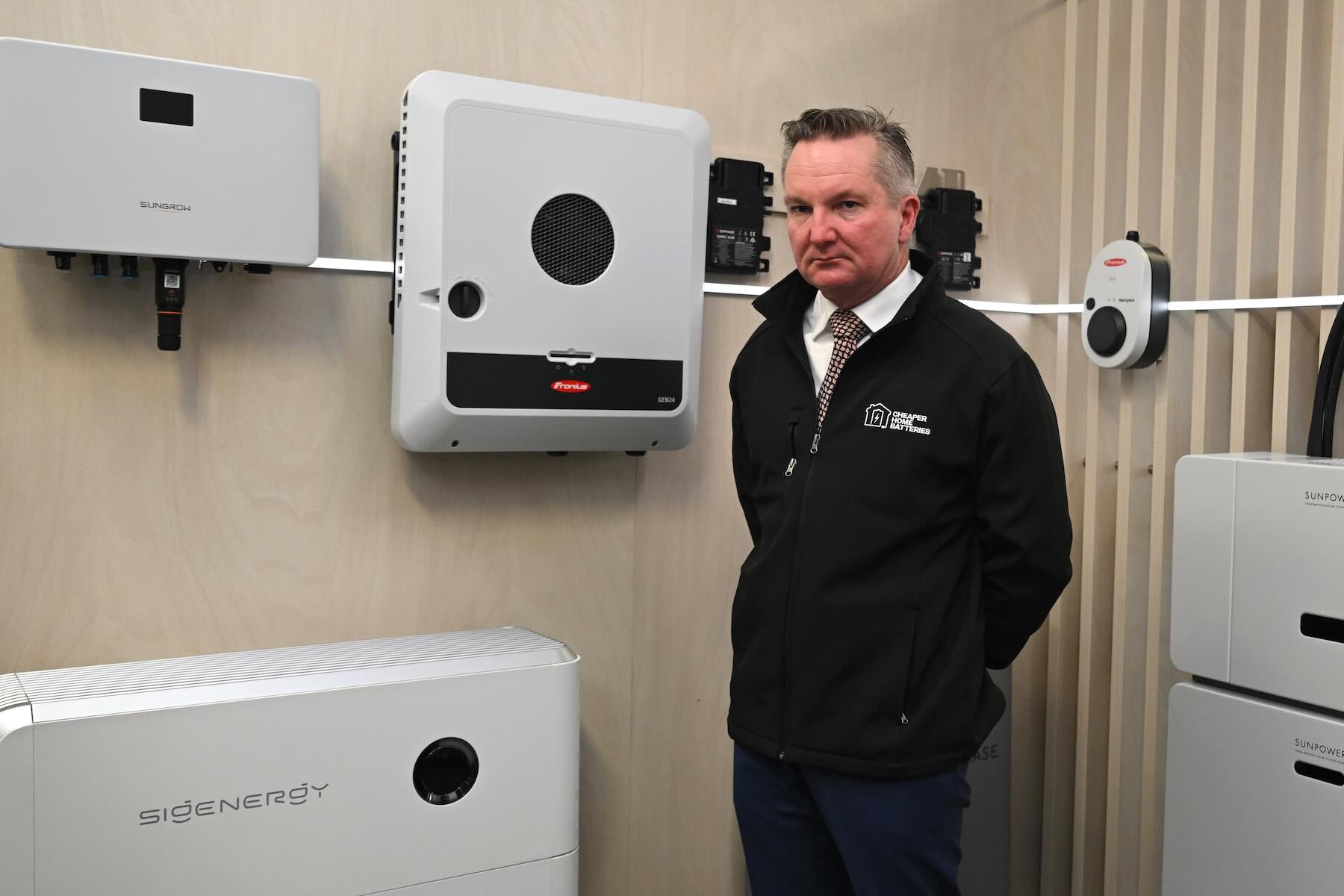
Australia has quietly crossed a major threshold in its clean energy journey: more than 400,000 home battery systems are now installed nationwide, according to the latest figures from the Australian Energy Market Operator. The milestone, described by Energy Minister Chris Bowen as a "remarkable milestone," comes despite changes to state-based rebate programs that some feared would slow adoption. The total storage capacity of these residential units now rivals that of all grid-scale batteries added over the past year, underscoring the rapidly growing role of households in stabilising the electricity network.
What's Fueling the Surge?
Several factors have converged to push home battery installations past the 400,000 mark. The primary driver remains the country's world-leading rooftop solar uptake—more than 3.6 million homes now generate their own electricity. As solar penetration increases, households increasingly turn to batteries to store excess power for evening use, reducing reliance on the grid and lowering bills. Additionally, falling battery prices and rising electricity costs continue to improve the economics of self-consumption. Federal and state incentives, though recently modified in some jurisdictions, still provide meaningful upfront support. For instance, the Victorian Solar Homes Program and New South Wales' Empowering Homes scheme have been adjusted to focus on low-income households, but overall demand has remained buoyant.
Home Batteries vs. Grid-Scale Storage: A Surprising Comparison
One of the most striking findings in the latest data is that the combined capacity of home battery systems installed in the last twelve months now matches the nameplate capacity of utility-scale batteries commissioned over the same period. While individual home systems average around 10–13 kWh, their aggregate effect is substantial. This distributed storage offers unique advantages: it avoids transmission losses, provides backup power during outages, and can be aggregated through virtual power plants (VPPs) to support grid stability. Yet grid-scale batteries remain essential for bulk energy shifting and network reinforcement. Energy analysts note that the two are complementary rather than competing, with homes providing fast-response local support and utility systems handling larger, longer-duration needs.
Navigating Rebate Adjustments
The surge has occurred even as several states recalibrated their battery rebate programs. Queensland, for example, ended its interest-free loan scheme in 2023, while South Australia simplified its Home Battery Scheme to target lower-income households more directly. Industry observers initially predicted a slowdown, but the actual outcome has been a steady climb. The reason, experts say, is that the underlying value proposition remains strong: batteries now pay for themselves within 6–10 years for typical solar households, and the post-2022 energy crisis has made energy independence a higher priority for many Australians. Bowne emphasised that the government's broader policy framework—including the Capacity Investment Scheme and support for VPPs—has provided market certainty that encourages both manufacturers and installers.
Which States Are Leading the Charge?
South Australia continues to punch above its weight, with the highest per‑capita battery penetration, thanks to early and generous subsidies as well as high solar adoption. Victoria and New South Wales lead in absolute numbers, driven by large populations and state programs that have evolved to sustain momentum. Western Australia and Queensland are also seeing rapid growth, particularly in off‑grid and fringe‑of‑grid applications. The Northern Territory and Tasmania, while smaller markets, are experiencing growing interest as battery costs decline further.
What's Next for Residential Storage?
Looking ahead, the trajectory points toward continued expansion. Installations are projected to exceed 500,000 within the next 18–24 months, propelled by further cost reductions, the rollout of smart meters and time‑of‑use tariffs, and the growth of VPPs that offer additional revenue streams to battery owners. The Australian Energy Market Operator's latest Integrated System Plan (ISP) explicitly acknowledges the role of distributed storage in meeting the grid's 82% renewable energy target by 2030. Meanwhile, battery technology improvements—such as lithium‑iron‑phosphate (LFP) chemistries and more sophisticated energy management software—are making systems safer, longer‑lasting, and more efficient. With policy settings now largely stabilised and consumer awareness high, the home battery market appears set for a sustained boom rather than a temporary spike.
A Quiet Revolution in Energy Independence
The crossing of 400,000 home battery installations marks more than a statistical milestone—it signals a fundamental shift in how Australians generate, store, and consume electricity. Households are no longer passive consumers but active participants in the energy system, providing flexible capacity that helps integrate variable renewables. As Chris Bowen noted, the achievement is "remarkable" precisely because it happened organically, propelled by market forces and grassroots adoption rather than central planning. With continued innovation and supportive policy, the next 400,000 installations may arrive even faster, further cementing Australia's status as a global leader in residential energy storage.
Related Articles
- Empowering AI Agents with Domain-Specific Dart and Flutter Skills
- EU Strategies to Shield Drivers from Surging Oil Prices: Key Questions Answered
- Exploring the Latest in E-Bikes and Electric Vehicles: A Q&A with Wheel-E Podcast Highlights
- Transportation Secretary Sean Duffy: Reality TV, Oil Money, and Policy Controversies
- Rivian Secures $4.5 Billion DOE Loan for Georgia EV Factory Despite Policy Uncertainty
- UK Electric Vehicle Sales Exceed Mandate Targets Despite Industry Claims of Weak Demand
- Discussing Terrorism and Violence with Children: A Guide for Parents
- 8 Critical Facts About the Trump Administration's National Security Block on 165 Wind Farms