Artificial Eggshell Breakthrough: Colossal's New Tool for Avian De-Extinction and Developmental Biology
Introduction: A New Era for Avian Embryo Research
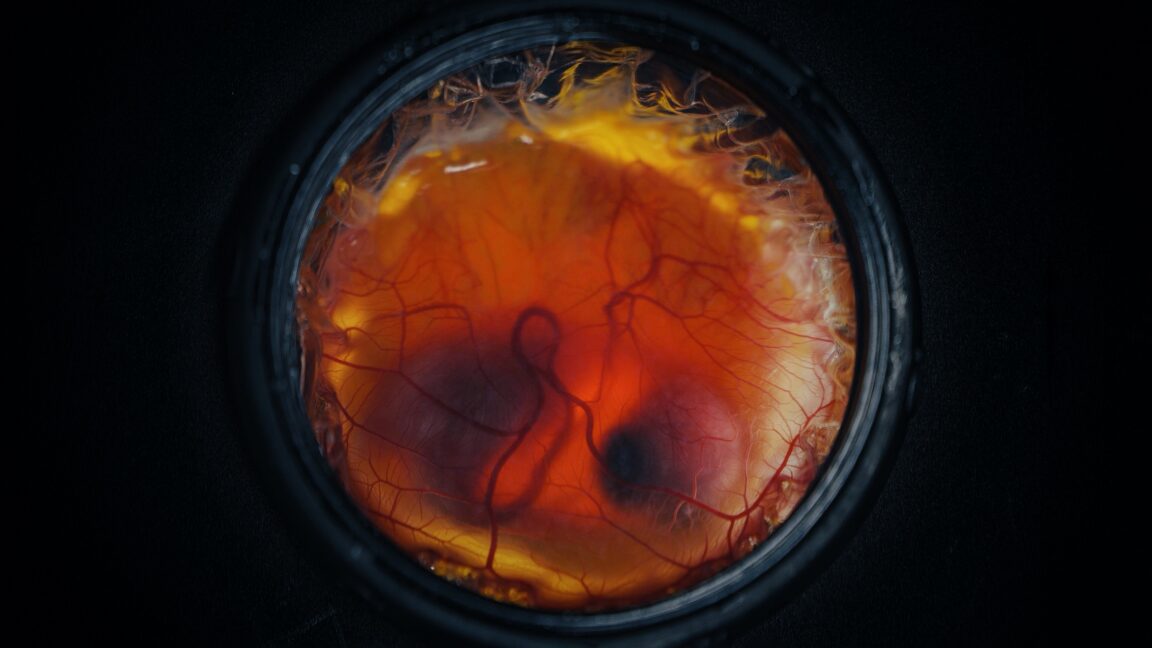
On Tuesday, biotech startup Colossal announced a significant milestone in its mission to reverse species extinction, this time focusing on birds. The company has developed an artificial eggshell that allows nearly the entire developmental process of an avian embryo to occur outside a natural shell. Within a day or two of laying, the contents of real eggs are transferred into this specially designed container, and normal chicks can walk away from it. This innovation holds potential not only for Colossal's de-extinction efforts but also for solving a long-standing challenge in developmental biology research.
The Breakthrough: An Artificial Eggshell
Colossal's artificial eggshell is a transparent, sterile container that mimics the physical and chemical environment of a natural egg. It provides the necessary support for embryonic development, including gas exchange, temperature regulation, and protection from pathogens. By replacing the fragile calcium carbonate shell with a durable yet permeable substitute, researchers can now observe and manipulate the entire developmental process without the need to crack or reseal real shells. This technology builds on years of work in ex ovo culture systems but represents a leap forward in reliability and completeness.
The Researcher's Perspective: Watching Development
To understand why this matters, consider the experience of developmental biologists who study vertebrate embryos using chickens. Chickens are an ideal model: they develop outside the mother, making them accessible, and their early development shares many basic features with mammals, including humans. However, working with chicken embryos has always been a delicate art. Researchers would carefully chip a small window in the shell, perform manipulations (like injecting genes or removing cells), seal the window with tape or adhesive, and hope the embryo would continue to grow. The success rate was often low, and observation was limited to what could be seen through that small window. With Colossal's artificial shell, the entire embryo is visible at all times, and manipulations can be performed without risking shell integrity. This could accelerate discoveries in early development, birth defects, and even stem cell research.
From Lab Bench to Conservation
While the immediate benefit is for basic research, Colossal's primary goal is de-extinction. The company aims to revive species like the dodo and the woolly mammoth by editing the genomes of closely related living species and then incubating the resulting embryos. For birds, that means using chickens as surrogate parents. But the surrogate eggs would need to support the development of an embryo that is not genetically identical to a chicken—a challenge when using natural eggshells. An artificial shell that can be sterilized, modified, and controlled could be the key to successfully incubating these 'unnatural' embryos.
Applications Beyond De-Extinction
The artificial eggshell is not just for bringing back extinct species. It has immediate utility in:
- Developmental biology research: Enabling continuous observation and manipulation of avian embryos.
- Transgenic bird production: Creating genetically modified chickens for pharmaceutical proteins (e.g., antibodies in egg whites).
- Conservation biology: Incubating eggs of endangered bird species under controlled conditions.
- Education: Allowing students to watch development in real time without harming embryos.
Colossal has already demonstrated that normal chicks can hatch from the artificial shells. The next step is to prove that the system works for embryos that have undergone genetic editing—the true test for de-extinction.
Hurdles Ahead: A Few Key Challenges Remain
Despite the excitement, Colossal faces significant hurdles. First, the artificial eggshell must consistently support full-term development for a variety of avian species, not just chickens. Second, the genetic manipulations needed for de-extinction are complex: simply inserting genes from an extinct bird may not produce a viable embryo. Third, even if embryos survive, they must develop into healthy adults capable of reproduction. Colossal acknowledges these challenges, but the artificial eggshell is a critical enabling technology. Without it, the entire de-extinction pipeline for birds would be blocked by the limitations of natural shells.
Moreover, the company must navigate ethical and regulatory questions. Creating an animal that is a close copy of an extinct species raises issues of animal welfare, ecological impact, and conservation prioritization. While the artificial eggshell itself is a neutral tool, its use in de-extinction will be closely watched by scientists and the public alike.
Conclusion
Colossal's artificial eggshell is a clever solution to a practical problem that has long frustrated researchers. By freeing avian embryos from their natural shells, the company has unlocked new possibilities for both fundamental science and ambitious conservation projects. Whether it ultimately leads to the resurrection of the dodo or simply to a better understanding of how a chicken grows, this innovation marks an important step in biotechnology. As the company moves forward, it will need to address the remaining scientific and ethical challenges—but for now, it has given the bird world a new kind of cradle.
Related Articles
- Navigating the Hidden Costs of AI-Generated Code: A Step-by-Step Guide
- 10 Surprising Mental Health Benefits of GLP-1 Drugs Like Ozempic
- 8 Key Updates in Pharma: Obesity Drug Compounding, FDA Leadership Shift, and More
- Strategic Healthcare AI Acquisitions: A Case Study on Roche's PathAI Deal
- Bridging the Gap: A Guide to Equity in the Psychedelic Therapy Movement
- How to Visualize Reversed DNA Replication Forks Using RF-SIRF in Single Cells
- Supportive Schools Can Reduce Suicide Risk for LGBTQ+ Youth, New Survey Shows
- Unveiling the Hidden Flaws in FDA's AI Medical Device Approvals